How Long Should Your Appliances Last? Lifespan Expectancies & Care Tips
When a major home appliance breaks down, the first question most homeowners ask is simple: Is this normal, or did my machine die early?
Understanding how long your appliances are actually supposed to last helps you budget smarter, plan ahead, and decide whether a sudden noise or leak warrants a quick fix or a trip to the store.
The Real-World Lifespan Expectancy
In general, most modern household appliances have an average lifespan of 7 to 15 years.
While manufacturer manuals often promise the higher end of that range, real-world performance depends heavily on usage, brand quality, and basic upkeep.
Major Kitchen Appliances
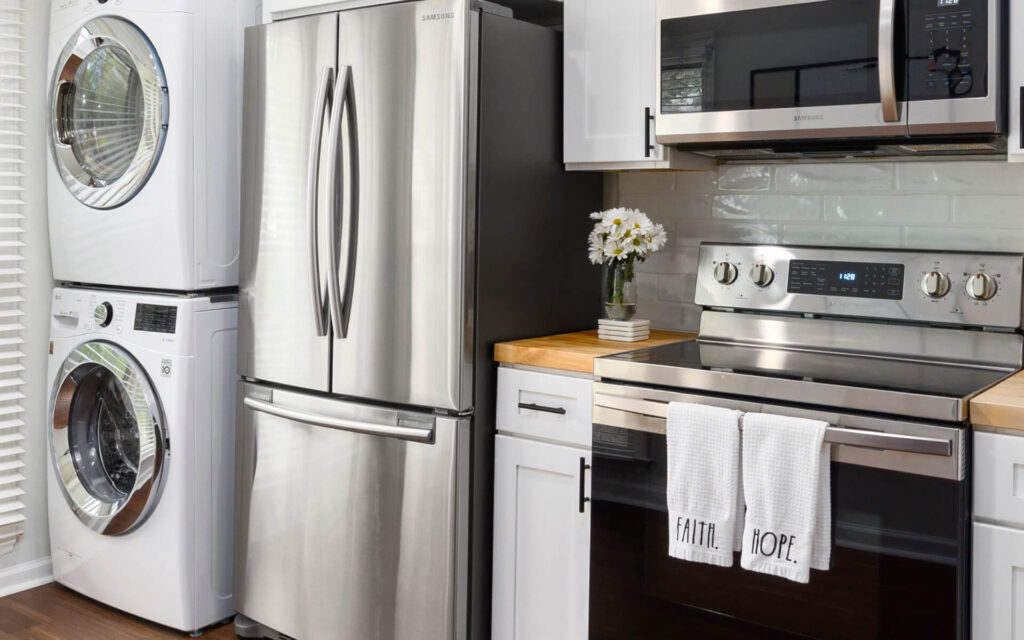
Refrigerators and ranges tend to sit near the top of the lifespan spectrum, often reaching 10 to 15 years. Dishwashers, on the other hand, usually average around 7 to 10 years due to constant exposure to water, heat, and food debris.
Laundry Appliances
Washing machines and clothes dryers typically last between 8 and 12 years. Because these machines handle heavy mechanical loads and high-speed vibrations every week, internal wear and tear naturally catches up with them faster than passive appliances.
Why Today’s Appliances Don’t Last Like They Once Did
It is common to hear people say that older appliances lasted for decades without a single issue, and there is truth to that observation.
In my experience, today’s appliances are far more prone to breaking early, primarily due to the thinner materials used in manufacturing.
Older appliances were built with heavy-gauge metals, solid cast components, and thick internal housing. Today, manufacturers frequently use lighter metals and plastic components to save weight and cut production costs. While these modern design changes make machines cheaper to ship and more energy-efficient, they also make individual parts more fragile and susceptible to physical wear over time.
Deciding to Repair or Replace: How to Use the 50% Rule
When an appliance stops working properly, deciding what to do next can be stressful. The industry standard advice is to follow the 50% rule: if a repair costs more than 50% of the price of a brand-new appliance, you should replace it.
However, the 50% rule shouldn’t be your only criterion. You also need to look at the overall history and behavior of the machine.
When You Should Repair
If an otherwise reliable appliance experiences a minor issue or a simple part failure, it is almost always worth repairing. A quick fix can easily buy you several more years of solid performance without the hassle and expense of buying new.
When You Should Replace
If an appliance has a track record of recurring breakdowns, it becomes a money pit. Even if an individual fix seems inexpensive, a machine that constantly gives you trouble is telling you that its overall system is failing. In those cases, cutting your losses and buying a replacement is the smarter financial move.
The #1 Maintenance Habit to Extend Appliance Lifespan
If you want to push your appliances as close to that 15-year mark as possible, you do not need expensive service contracts or complex tools.
The single best piece of advice for extending an appliance’s lifespan is to keep the machine and its surrounding area clean.
Prevent Overheating and Strain
Dust, pet hair, and lint build up quickly around motor housings, refrigerator coils, and dryer vents. When air cannot circulate properly, internal components are forced to work twice as hard, leading to premature overheating and burnout. Keeping these surrounding areas clear lets your equipment run efficiently with minimal mechanical stress.
Catch Problems Before They Escalate
Regular cleaning forces you to pay close attention to your appliances on a consistent basis. When you routinely wipe down and clear out the space around a machine, you can easily spot tiny water leaks, worn seals, or unusual residue long before they turn into major failures.