Gas Stove Clicking Noise: Normal or Not? Stove Repair Tips in Caldwell, ID
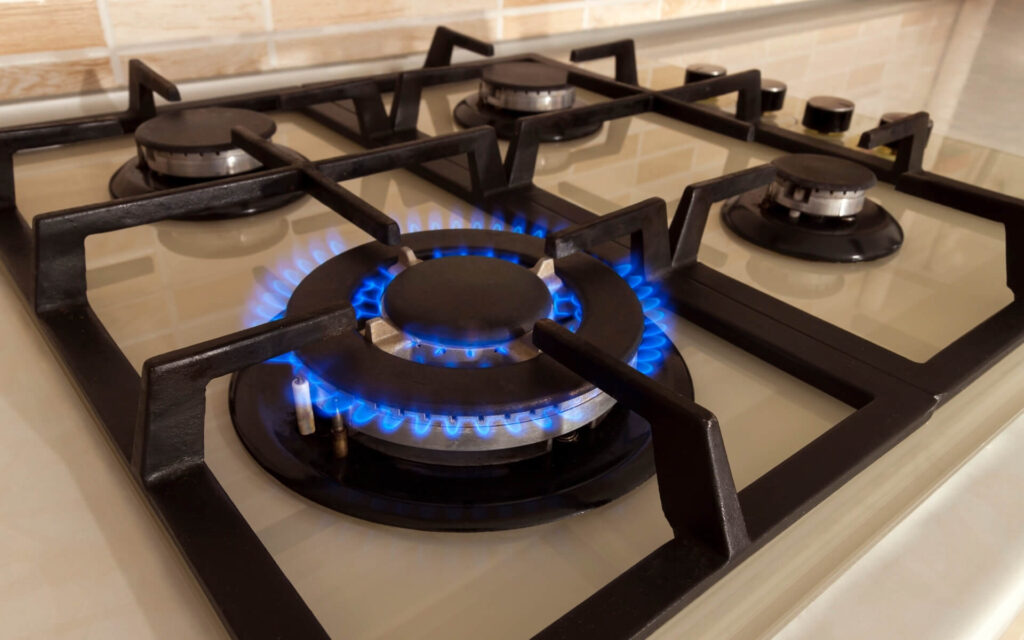
Yes, a gas stove is supposed to click, but only for a few seconds. When you turn a burner knob to light it, the igniter sparks to ignite the gas, so you hear a quick tick-tick-tick until the flame catches. That sound is completely normal.
The trouble starts when the clicking doesn’t stop. As a stove repair technician serving homeowners in Caldwell, ID, I get calls about this all the time. In this post, I’ll explain what normal clicking sounds like, what it means when it won’t quit, what you can safely do yourself, and when it’s time to call a pro.
When Clicking Is Normal
Here are the situations where clicking is exactly what your stove should be doing:
- You turn a knob to light a burner, and it clicks for a few seconds until the flame catches.
- A gust of air or a boil-over blows out the flame, and the igniter sparks again to relight it.
In both cases, the clicking stops once the burner is lit and the flame is steady. If that’s what you’re hearing, there’s nothing to worry about.
When Clicking Is a Problem
Clicking becomes a warning sign in these situations:
- It keeps going after the burner is already lit.
- It starts on its own when nobody has turned a knob.
- It happens mostly at night when the kitchen is quiet, and it has been going on for days.
- The burner clicks but won’t light.
Most of the time, this happens because moisture or food residue has gotten into the igniter or burner cap, or because the cap is sitting crooked. The stove thinks the flame still needs to be lit, so it keeps sparking. A spill that seeped under the cooktop is the most common cause I see, and it’s often an easy fix.
A Real Example From a Caldwell Kitchen
Last fall, a homeowner in Caldwell called because her gas range had been clicking on its own for about two weeks, mostly at night. She had stopped using the back left burner because it clicked nonstop even when it was lit. She was convinced she needed a new stove.
It was an eight-year-old, five-burner freestanding range, and at first nothing looked wrong. When I lifted the burner cap, I found a thin film of boiled-over pasta water and sugar sauce that had crept into the igniter well and dried into a crust. That residue was carrying a tiny electrical current, so the spark module kept thinking the burner needed to light.
I cleaned the igniter and burner head with a soft brush and rubbing alcohol, let everything dry, and set the cap back on straight. The clicking stopped right away. I showed her how to wipe up spills before they sink in, and she was relieved that she didn’t have to replace the whole range. It’s a good reminder that a clicking stove doesn’t always mean a broken stove.
What You Can Safely Do Yourself
Cleaning the burner cap and head is fair game for most homeowners. Here’s how I recommend doing it:
- Turn off all burners and let the stove cool completely.
- Lift off the burner cap and head, then wipe them gently with a barely damp cloth or a soft brush.
- Gently wipe around the igniter with a soft cloth.
- Let everything dry fully before relighting, which can take several hours or overnight.
- Set each cap back on flat and snug. A crooked cap can keep the igniter clicking even when everything else is fine.
If the clicking stops after a good cleaning, you’re done. If it doesn’t, don’t keep fiddling with it.
Mistakes to Avoid
Over the years, I’ve seen a handful of well-meant fixes that make things worse:
- Soaking the burner area with water or spray cleaner. This pushes moisture into the igniter and usually makes the clicking worse.
- Poking at the igniter with a pin, knife, or toothpick. It’s easy to crack the ceramic or bend the electrode, which turns a simple cleaning into a part replacement.
- Pulling the cooktop apart or disconnecting wires. That’s where the gas connections and wiring live, and a loose fitting can create a real safety risk.
- Lighting burners with a match to avoid the clicking. This hides the problem instead of fixing it.
- Ignoring it for weeks. I often hear people say it will stop on its own, but it usually comes back worse and can wear out the igniter early.
A good rule of thumb is that cleaning the burner cap and head is fine, but for anything beyond that, it’s time to stop and call a professional.
What a Professional Stove Repair Involves
If cleaning doesn’t solve the problem, here’s what I do when I’m called out for stove repair. I start by checking for any gas smell. Then I pull the burner cap and inspect the igniter for cracks, residue, or moisture. Next, I test the spark switch and the spark module with a meter.
Those parts are the most common culprits:
- A worn or cracked igniter
- A spark module that keeps sending current
- A switch that sticks after a spill
Most visits take about an hour, and the part is usually on my truck, so customers can often be cooking again the same day. A typical repair runs between $150 and $350 with parts and labor, depending on the stove and which part failed.
Repair or Replace?
I use a simple 50% rule. If the repair costs more than half of what a comparable new stove would cost, and the stove is older or has other problems, replacing usually makes more sense. If it’s a newer stove with one bad part, repairing almost always wins. I’ll tell you honestly which way I’d go, even if that means a smaller job for me.
If You Smell Gas, Stop Right Away
Gas should never be a guessing game. If the burner clicks but won’t light, or you smell gas, turn the knob off and open a window. If the smell is strong, leave the house and call your gas company from outside. Then call a pro. This is not something to wait on.
How to Prevent Clicking Problems
Most clicking problems start with a burner cap that’s slightly off or a spill that was never fully wiped up. They rarely start with a truly broken stove. A few habits go a long way:
- Wipe up spills while the stove is still slightly warm.
- Keep a small, soft brush handy for the burner heads.
- Make sure every burner cap sits flat and snug after cleaning.
- Don’t let a clicking burner go for weeks. Deal with it early.
Need Stove Repair in Caldwell, ID?
A quick click to light the stove is normal. Clicking that won’t stop is your stove asking for help. If your gas range keeps clicking after a good cleaning, or you’re not comfortable going further, we can find the cause quickly and safely. Contact All Valley Appliance Repair for stove repair in Caldwell, ID, and nearby areas, and we’ll get your kitchen back to normal.