Home appliances are essential to everyday life. From keeping your food fresh to making laundry and cooking more convenient, these machines help your home run efficiently. But when one breaks down, it can quickly disrupt your routine.
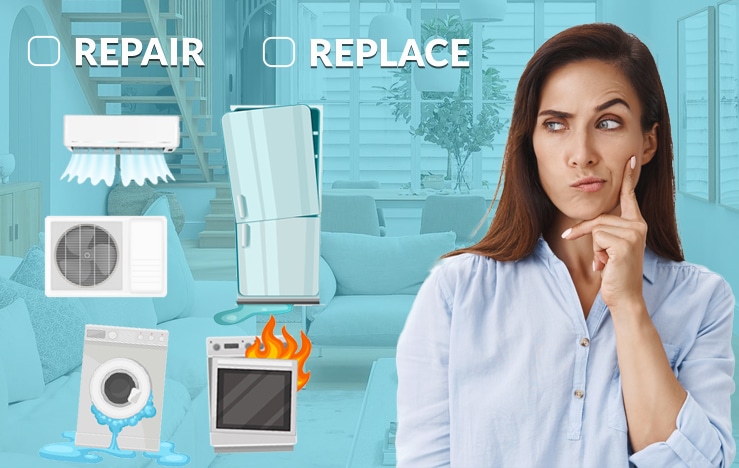
One of the most common questions homeowners face is whether to repair or replace their appliance when it stops working. The answer isn’t always straightforward. It depends on several factors, including the appliance’s age, condition, and repair costs.
In this guide, we’ll help you understand how to make the right decision so you can save money and avoid unnecessary stress.
How to Decide Whether to Repair or Replace Your Appliance
When an appliance stops working, it’s tempting to assume the worst and consider replacing it right away. However, many issues can be resolved with a simple and affordable repair.
At the same time, there are situations where replacing the appliance is the smarter long-term investment. Knowing the difference can help you make a practical and cost-effective choice.
Key Factors to Consider
Age of the Appliance
Every appliance has an expected lifespan:
- Refrigerator: 10–15 years
- Washing machine: 8–12 years
- Dishwasher: 8–10 years
- Oven/stove: 10–15 years
If your appliance is still within its lifespan, repair is often the better option. However, if it’s nearing the end of its life, replacement may be more practical.
Cost of Repair
Understanding the appliance repair cost near you is one of the most important factors when making your decision.
A common guideline is the 50% rule:
If the repair cost is more than half the price of a new appliance, it may be better to replace it.
Smaller repairs are usually worth it and can extend the life of your appliance.
Frequency of Breakdowns
If your appliance has needed multiple repairs recently, it may be a sign that it’s wearing out. Frequent breakdowns can become costly and inconvenient over time.
Energy Efficiency
Older appliances tend to use more energy compared to newer models. Upgrading to a modern unit can help reduce your electricity bills and improve performance.
Availability of Parts
If replacement parts are hard to find or too expensive, replacing the appliance may be the only practical option.
When It’s Better to Repair Your Appliance
Repair is usually the right choice when:
- The appliance is relatively new
- The issue is minor
- Repair costs are reasonable
- The unit has been reliable
For example, issues like faulty thermostats or worn belts are often quick and affordable to fix. If you’re experiencing similar problems, you can explore our appliance repair services to find the right solution for your needs.
When It’s Better to Replace Your Appliance
Replacement is often the better option when:
- The appliance is old
- Repairs are becoming frequent
- Repair costs are high
- Performance is declining
In these situations, investing in a new appliance can provide better efficiency and reliability.
Common Appliance Scenarios
Refrigerator Not Cooling Properly

This could be caused by dirty coils, a faulty thermostat, or compressor issues. Minor problems are usually repairable, but major failures in older units may require replacement.
Washing Machine Leaking

Leaks are often due to worn hoses or seals. These are inexpensive to fix, but repeated issues may indicate it’s time for a replacement.
Oven Not Heating Evenly
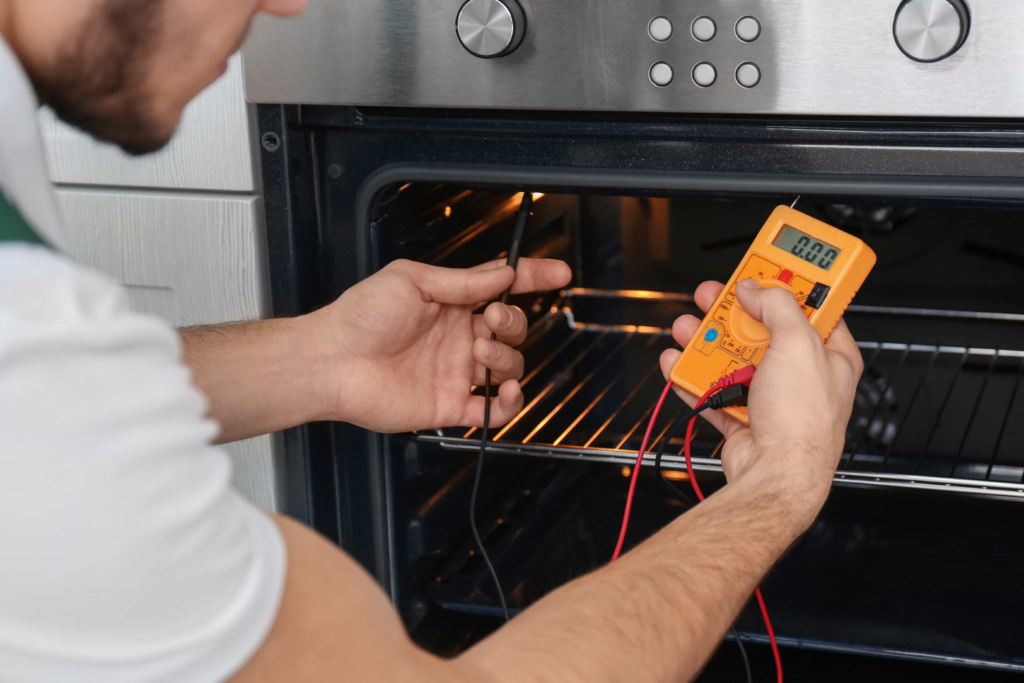
This is often caused by a faulty heating element or sensor. Repair is usually the best option unless the appliance is very old.
Dishwasher Not Draining
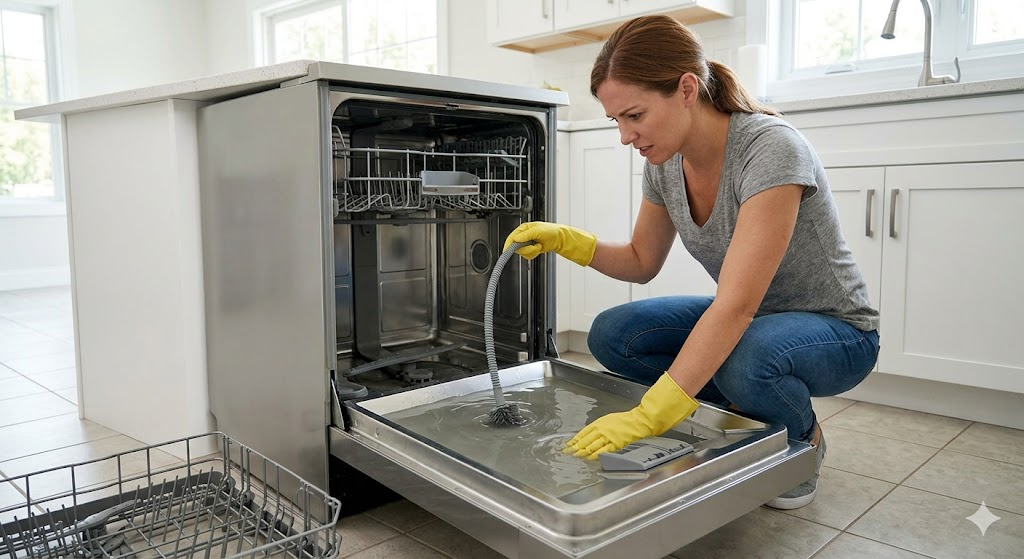
Clogs or pump issues are common and often repairable. However, recurring problems may signal a deeper issue.
If your appliance suddenly stops working, choosing a same-day appliance repair near you can help restore convenience quickly.
The Importance of Professional Diagnosis
Appliance problems are not always easy to identify. A professional technician can:
- Diagnose the issue accurately
- Provide a clear estimate
- Recommend whether repair or replacement is best
If you’re unsure about your appliance, contact All Valley Appliance Repair, LLC to schedule an inspection and get expert advice.
Tips to Extend the Life of Your Appliances
- Clean filters and vents regularly
- Avoid overloading machines
- Check hoses and connections
- Schedule routine maintenance
Simple upkeep can help prevent costly repairs and extend appliance lifespan.
Repair vs Replace: Quick Checklist
Choose Repair if:
- Appliance is under 10 years old
- The repair cost is affordable
- The issue is minor
- The appliance has been reliable
Choose Replacement if:
- The appliance is nearing the end of its lifespan
- Repairs are frequent
- Costs are high
- Efficiency is poor
Final Thoughts
Deciding whether to repair or replace your appliance doesn’t have to be complicated. By considering factors such as age, cost, and performance, you can make a smart, cost-effective decision.
In many cases, repairing your appliance can extend its lifespan and save money. However, if the appliance is old or requires frequent repairs, replacement may be the better long-term solution.
If you’re unsure, getting professional advice is always the best first step.
Frequently Asked Questions
How do I know if I should repair or replace my appliance?
If your appliance is still relatively new and the repair cost is low, repair is usually the better option. Older appliances with frequent issues may be better replaced.
What is the average appliance repair cost near me?
Costs vary depending on the appliance and issue. Minor repairs are typically affordable, while major repairs may cost more.
Is it worth repairing an old appliance?
It depends on the condition and cost. If the appliance is near the end of its lifespan, replacement may be more cost-effective.
Can I get same-day appliance repair near me?
Yes, many providers offer same-day service to quickly resolve urgent appliance issues.